

Winter may not seem like the ideal time for pressure washing, but with the right approach, you can keep your surfaces clean and safe. At McFly Pressure Washing, we understand that tackling this task in colder temperatures comes with unique challenges. Here are essential safety tips and equipment advice to ensure a successful winter pressure washing experience, while also highlighting common mistakes made by DIY enthusiasts.
1. Understand the Risks of Winter Pressure Washing
Before you start, it’s crucial to recognize the specific hazards associated with winter pressure washing. Cold temperatures can make surfaces slippery, increasing the risk of falls. Ice accumulation can lead to dangerous conditions, not only for you but also for your property.
Warning: Slipping Hazards
Ensure you clear any ice or snow from the area you plan to wash. A safe workspace is a top priority to prevent accidents.
2. Choose the Right Equipment
Cold Weather Pressure Washers
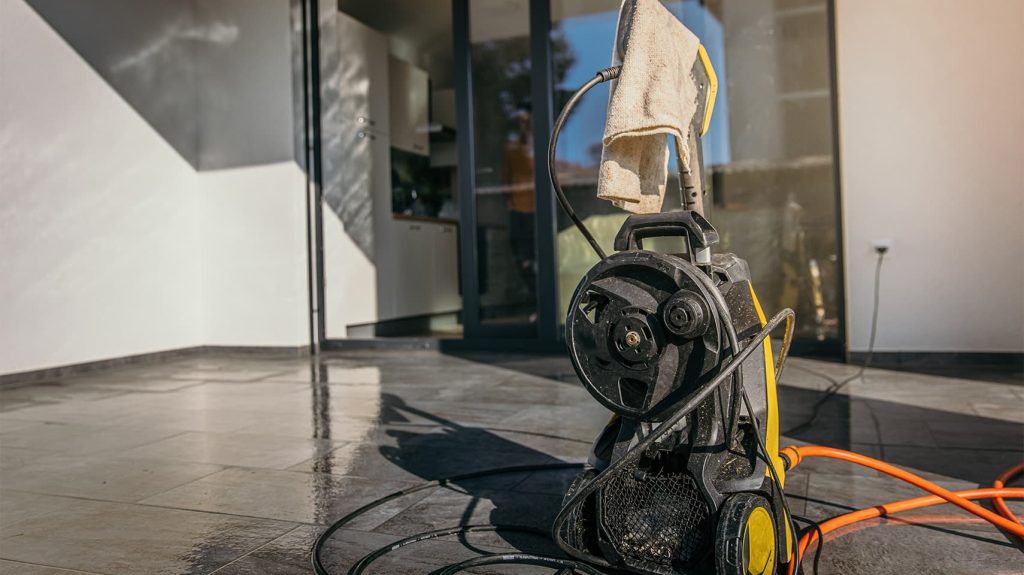
When pressure washing in winter, it’s vital to select a washer designed for low temperatures. Standard electric models may not function properly in extreme cold, so consider a gas-powered unit, which typically offers more power and reliability.
Heated Pressure Washers
For optimal results, using a heated pressure washer can be beneficial. The warm water not only helps to melt ice and snow but also enhances cleaning effectiveness, especially for oil and grease stains.
3. Use Proper Detergents
Winter-Safe Cleaners
Always opt for detergents that are safe to use in cold weather. Standard cleaners may freeze or become ineffective in lower temperatures. Look for products specifically formulated for winter use to ensure you get the best results.
4. Dress Appropriately
Layer Up
When working outside in winter, it’s important to dress in layers. Wear insulated gloves, waterproof boots, and thermal clothing. This will keep you warm and allow for easier movement while operating equipment.
Eye and Ear Protection
Don’t forget safety goggles and ear protection, especially when using gas-powered washers. Protecting yourself from debris and noise is crucial for maintaining safety.
5. Be Aware of Water Usage
Watch for Freezing
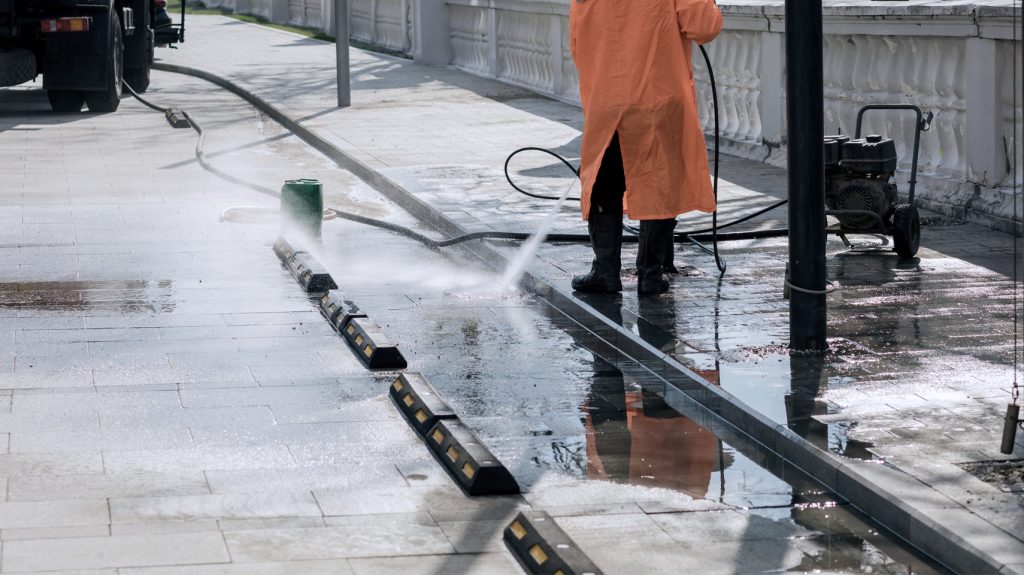
When pressure washing in winter, be mindful of where the water goes. It’s easy for water to pool and create ice patches, leading to slips and falls. Plan your washing route carefully and work strategically to minimize water accumulation.
Warning: Equipment Damage
Avoid letting water freeze inside your pressure washer. Always drain the unit after use to prevent internal damage caused by freezing temperatures.
6. Mind the Surroundings
Protect Plants and Surfaces
Cold weather can make plants and outdoor surfaces more vulnerable. Be cautious around sensitive areas, and avoid using high pressure on delicate materials.
Warning: Damage to Property
DIYers often underestimate the power of pressure washing. Using too much pressure can strip paint, damage siding, or even break windows. If unsure, consult a professional.
7. Know When to Call a Professional
If you’re uncomfortable with any aspect of winter pressure washing or feel unsure about your equipment, it’s best to call in the experts. Professionals, like those at McFly Pressure Washing, are trained to handle these tasks safely and effectively, minimizing risk and ensuring high-quality results.
Conclusion
Winter pressure washing can be a safe and effective way to maintain your property when approached with caution. By following these safety tips and using the right equipment, you can tackle your pressure washing tasks effectively. However, remember that mistakes can be costly. When in doubt, trust the professionals to get the job done right. At McFly Pressure Washing, we’re here to help you every step of the way, ensuring your home remains safe and clean throughout the winter.